30 Days Wild in the suburbs – and beyond: Day 8

I thought today might be a challenge, as I had meetings morning and afternoon, and a fair amount of train travel.

I was lucky to have time to look about me whilst in Salisbury this afternoon, and found some very beautiful trees:

P1030570.JPG

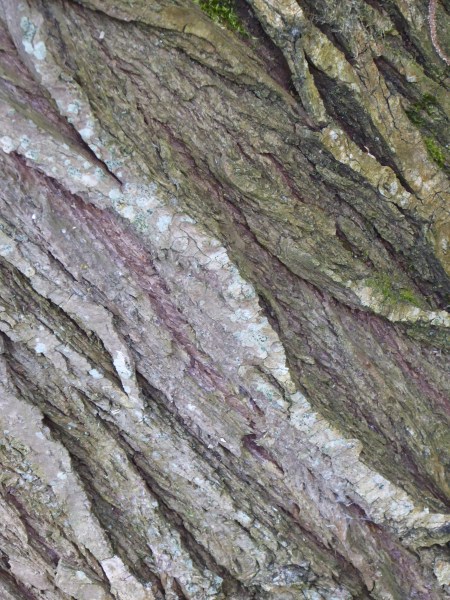
Incredible bark textures:

P1030577.JPG

And a bank of daisies growing at a very interesting angle!

P1030579.JPG

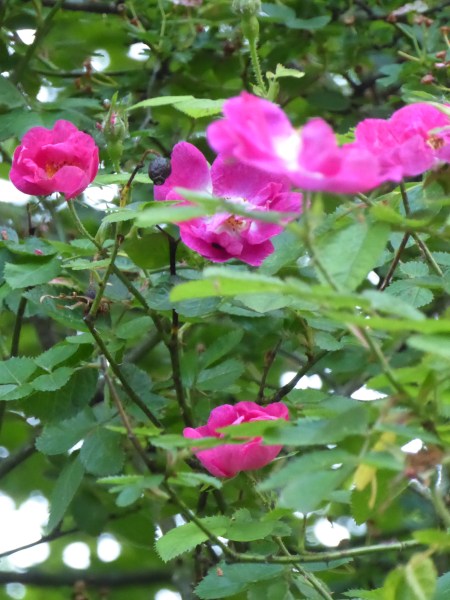
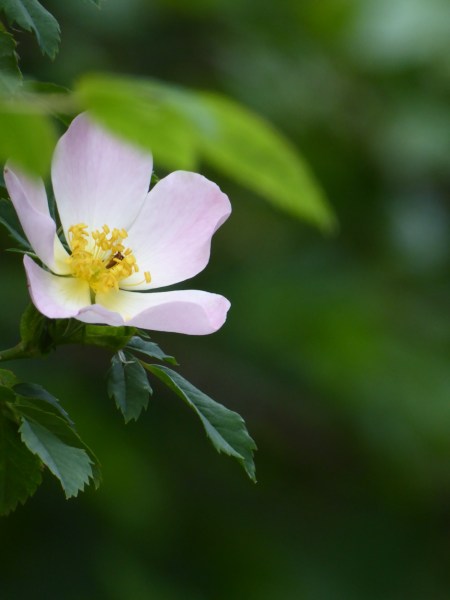
But I didn’t feel that I had really engaged properly until I arrived home and spotted a shawl of wild roses on the exit from the station:

P1030582.JPG

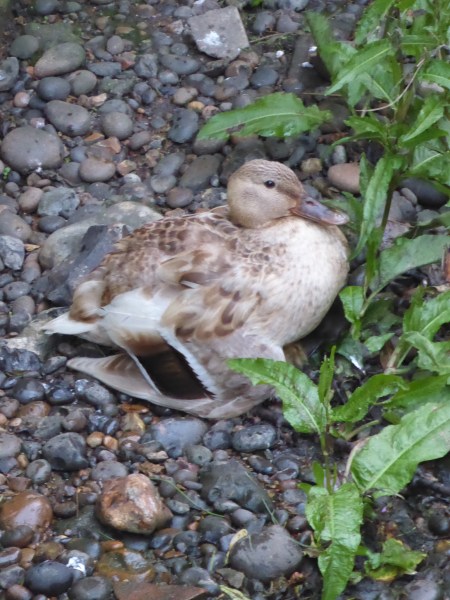
And then, looking to see whether the little egret might still be in residence, I spotted a female mallard settling down in the gravel by the stream, with her wings covering something that was clearly wriggling wildly. She was very protective:

P1030590.JPG

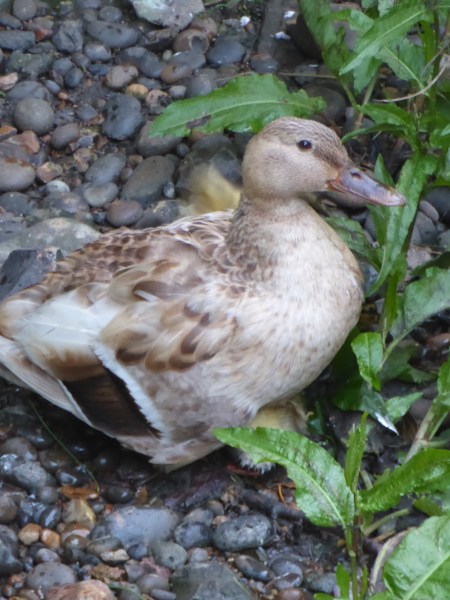
And there was definitely something there:

P1030587.JPG

And eventually, and fuzzy in the extreme, at least one little one appeared:

P1030586.JPG

So I made my way home with a spring in my step yet again. There is plenty of wildness in the suburbs!


30 Days Wild in the suburbs: Day 7

Classic British weather today. lovely in the morning, when I took the dog out and then had another go at photographing insects. Still pleasant when I set off for a meeting in town and watched a family of crows at the station. Full on thunder, lightning and torrential rain for about an hour and a half during the meeting. OK again by late afternoon. Hey ho!

So far I have managed just three pictures of bees in the past two days which are anywhere near sharp enough to share: the first is turning its back:

DSC_0032.JPG


The second is hiding its head:

DSC_0017

But the third is just showing off!

DSC_0028.JPG

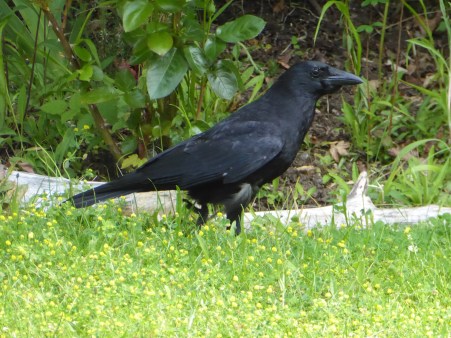
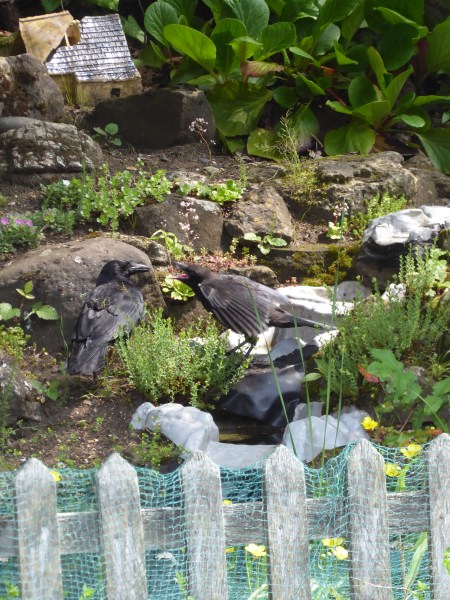
The crows were rather easier to catch today. They were great to watch, and completely unfussed by travellers and trains: another benefit of the efforts of our wonderful volunteer station gardeners. This is the second pond on the site:

P1030532.JPG

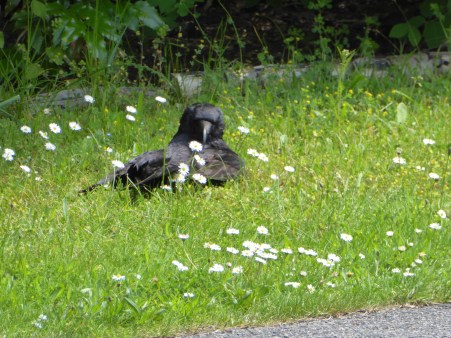
One member of the family was using it to bathe and drink, whilst others strutted around or snuggled amongst the daisies:

P1030535

P1030531.JPG

And although they are almost as large as the parent birds, the young ones still expected to be fed:

P1030536.JPG

Just as my train arrived, one of the birds decided to try using the feeder for itself, swinging wildly around, as it was pretty much the same as large as the feeder itself. Great fun to watch.

PS: Decided to use my old Nikon D50 for insect shots rather than the Lumix – not sure how much difference it made. Will keep switching between the two until I’ve decided.


30 Days Wild in the suburbs: Day 6

Today I have been in the dining room, working away at laptop and papers, with the door open to the garden. Apart from the occasional train on the line behind the house, and some far distant planes, what has been the overwhelming soundtrack to the day?

Birdsong, overlaid by the very specific sounds of the pigeons nesting on top of the chimney – again. (They don’t learn. Last year we had to rescue a fledgling that had come down rather than going up). And the occasional alarm calls of the smaller birds when the magpies are marauding through the trees.

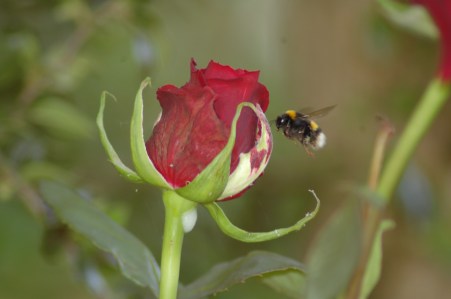
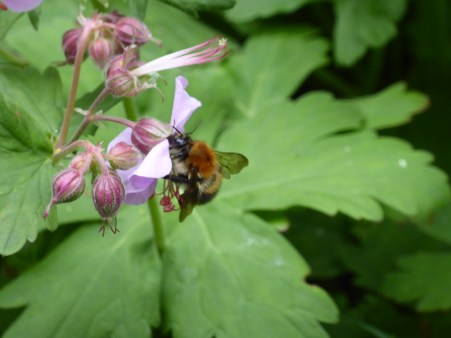
Bees: a constant background buzzing that, from time to time, lures me out with the camera and the optimistic conviction that this time I really will manage to get a sharp image. This is the best so far, but clearly the geranium bud is the star of the show:

P1030486.JPG

And the wind: in the leaves of that overgrown beech tree, in the grass which can no longer be politely described as a ‘lawn’, and in the variety of leaves which rustle and tap so differently according to their age and size.

One thing has really struck me: it is never, ever, silent. Something, somewhere, is always singing, shouting, shimmering, or shaking. (A bluebottle has just buzzed in to make the point). But how much more appealing these sounds are than the rumble of traffic, unnecessary fireworks (that terrify the dog), or radios played at top volume.

Give me those naughty magpies any day!


30 Days Wild in the suburbs – and beyond: Day 5

Today we’ve been to Dorking, for a lovely lunch and long walk with extended family. Company on a walk is wonderful. Conversation flows and meanders in a different way. And each member of the group spots different things.

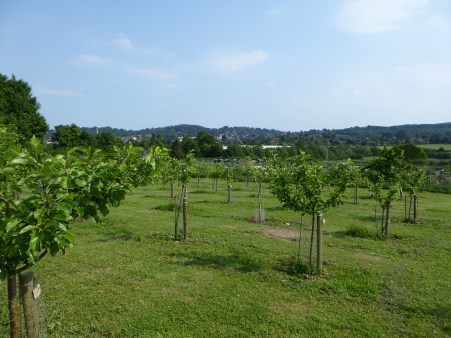
We walked through the station and up to the community orchard. This was an interesting case study for me: the original planting had been a Millennium project, which then fell into a poor state and has been rescued by the commitment of local people. The new planting and rescue of existing trees began in 2010, and the site is now looking great. It is wonderfully situated above the Ranmore Allotments with great views and seats from which to enjoy them. Find more here: https://dorkingcommunityorchard.wordpress.com/  or follow on twitter @dorkingorchard .

A general view to whet your appetite:

P1030520.JPG

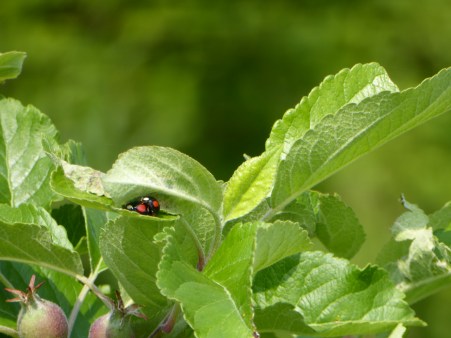
And another example of something I mentioned yesterday: I was aiming to capture the developing apples, and subsequently discovered that I also had procreating ladybirds:

P1030519.JPG

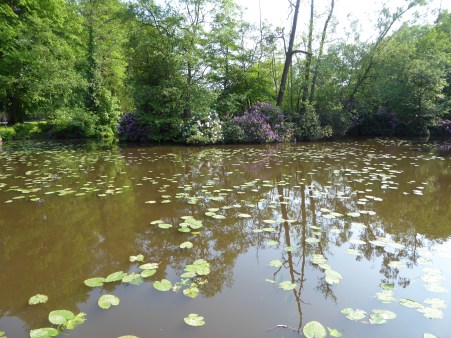
From the orchard we walked on paths through fields of tall grass, past a mill-pond:

P1030521.JPG


and a quintessentially English view:

P1030522.JPG


And we were hot . I don’t know if it comes across from these pictures, but we were really hot. The dogs were looking for patches of shade and regretting their earlier enthusiasm for a good walk.

It seems as if, in a matter of days, we have moved from wet and chilly fields with insects struggling to find food, to great sweeps of buttercups, ox-eye daisies and cow parsley.

On the way home, we slowed beside a golden verge A perfect end to our day beyond the suburbs:

P1030524.JPG


30 Days Wild in the suburbs: Day 4

Properly wild today: a walk around the National Trust’s land at Hawkwood. Concentrating on flowers, as a leaping, shaking, racing dog doesn’t do a lot for other kinds of quiet wildlife spotting.

But first an aside: I hadn’t really thought before about the difference our resident parakeet population makes to the sound of the woods. Of course there are the usual woodland birds singing away and going about their daily business in the trees and bushes all around us, but the parakeets bring the sounds of an over stocked pet shop. It is quite disconcerting. And this chap was also adding his voice:

P1030499.JPG

So, what did we find? Well, firstly, the general foliage has grown incredibly in the past week or so. Brambles, nettles, grass,  all well above head height now. Everything is so lush and green it feels as if nature is indulging herself.

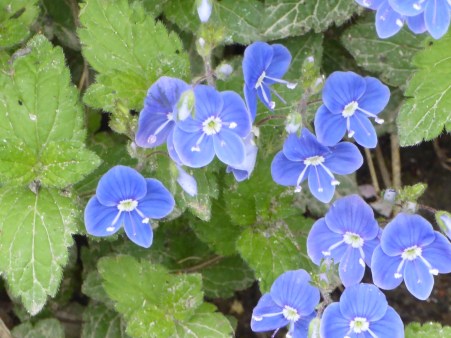
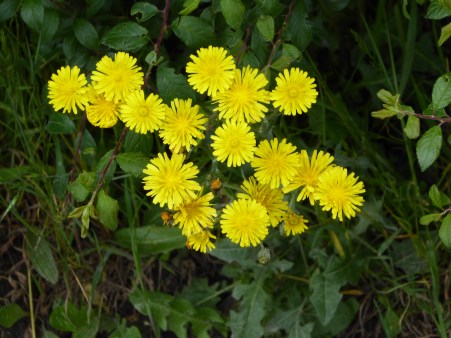
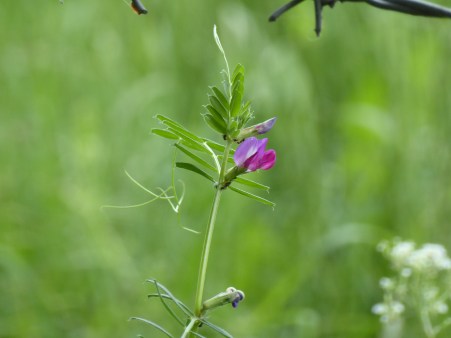
The flowers, on the other hand, tend to be relatively small. The path was covered with a confetti of tiny white holly and hawthorn flowers. The colours are also relatively muted as this time of the year: white, pink, pale blue and – the obvious exception – bright yellow.

P1030496.JPG

P1030514.JPG

P1030495.JPG

P1030494.JPG

I’ve noticed how often I get home to find that when I thought I was taking a picture of a flower,I was also capturing an insect. See the rosa above, and this:

P1030509.JPG

Although sometimes the insects are the intended stars – and none of them ever seem to stay still long enough for a really sharp shot :

P1030510.JPG

So maybe my challenge for a later Day is to have the patience to  try for one really good insect shot.

I might also have to try fish: today there were  a fair number darting around in the very clear, shallow water of the stream, but the closest I got to a photo was this (just about visible, top right hand corner):P1030505.JPG

Incidentally, although today’s walk was definitely in the woods, it was a 20 minute walk from my front door – so I’m still counting it as ‘in the suburbs’!

30 Days Wild in the suburbs: Day 3

I thought Day 3 might be a problem. I had a meeting in central London which I knew would take out the middle of the day. So as I walked to the station I was wondering what I could use as a focus. Above me in the trees there was much inelegant stomping about from, I think,  a young magpie, and a blackbird screaming warnings. And then, out of the corner of my eye, a flash of white, below the level of the path. From the stream. The stream in which I had previously seen a little egret.  I turned back and hoped for more, but was  too heavy footed and disturbed the bird. As a consequence, I had a perfect view of its flight along the path of the stream, yellow feet stretched out behind.  I had, inevitably, decided not to take the camera, as I was off to a meeting – and would probably not have been quick enough to capture it anyway – but it was a wonderful image, which sent me on my way with a real spring in my step.


(And a song in my heart. I spent much of the journey singing ‘Wild Thing, you make my heart sing’ to myself – in my head, I hasten to add. The Troggs, 1966, for those too young to recognise the reference).


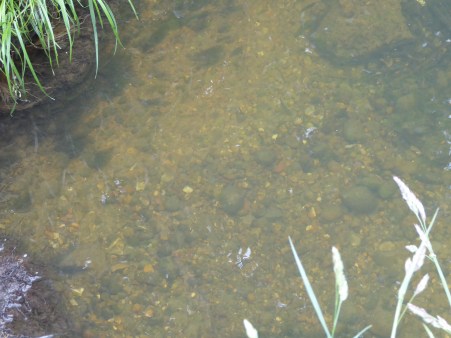
As I came back from the station, several hours later, I was sure the egret would be gone: but caught another glimpse beneath the bushes. I headed home for the camera, telling myself that it would definitely be gone by the time I got back. And when I looked again in the same place it was, indeed, gone. So I took a consolation snap of the empty water.

P1030479


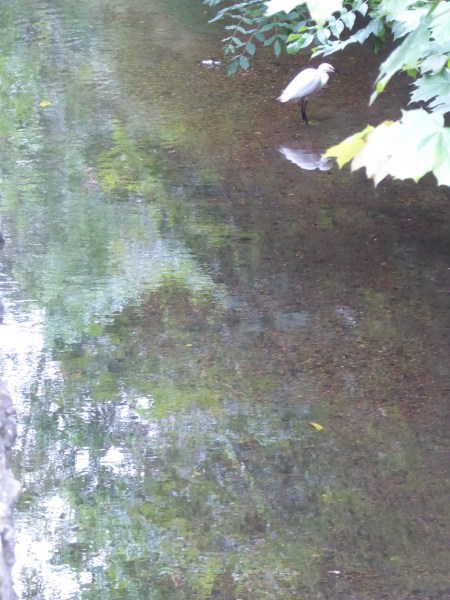
But the stream reappears on the other side of the road….And there it was.

P1030483

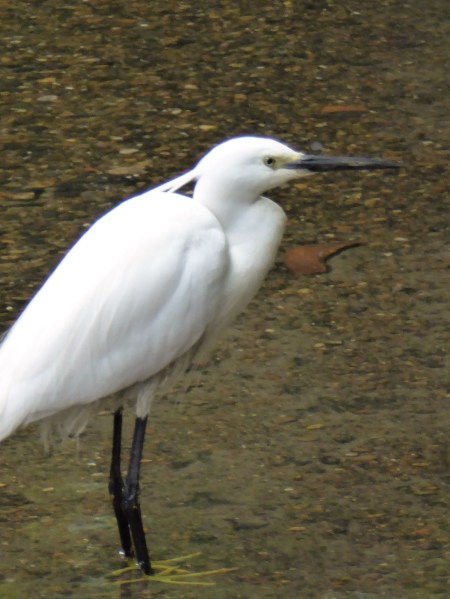
So I went for something slightly less grainy:

P1030481

And one more for luck:

P1030482

Now, I do know that little egrets are no longer in any sense a rarity. But this is about the suburbs. The suburbs! And those yellow feet have really made my day.

30 Days Wild in the suburbs: Day 2

Day 2. Another chilly day, but dry. The pavements and drains were covered with bits and pieces brought down by the wind and rain of the past 48 hours. So I decided that today’s task would be to see what I could find, and what it told me about the trees in the area – in other words, another day of walking along with my eyes on the ground. I will be looking up sometimes during the 30 days, honestly. Not least because the dog’s patience will soon begin to wear a bit thin.

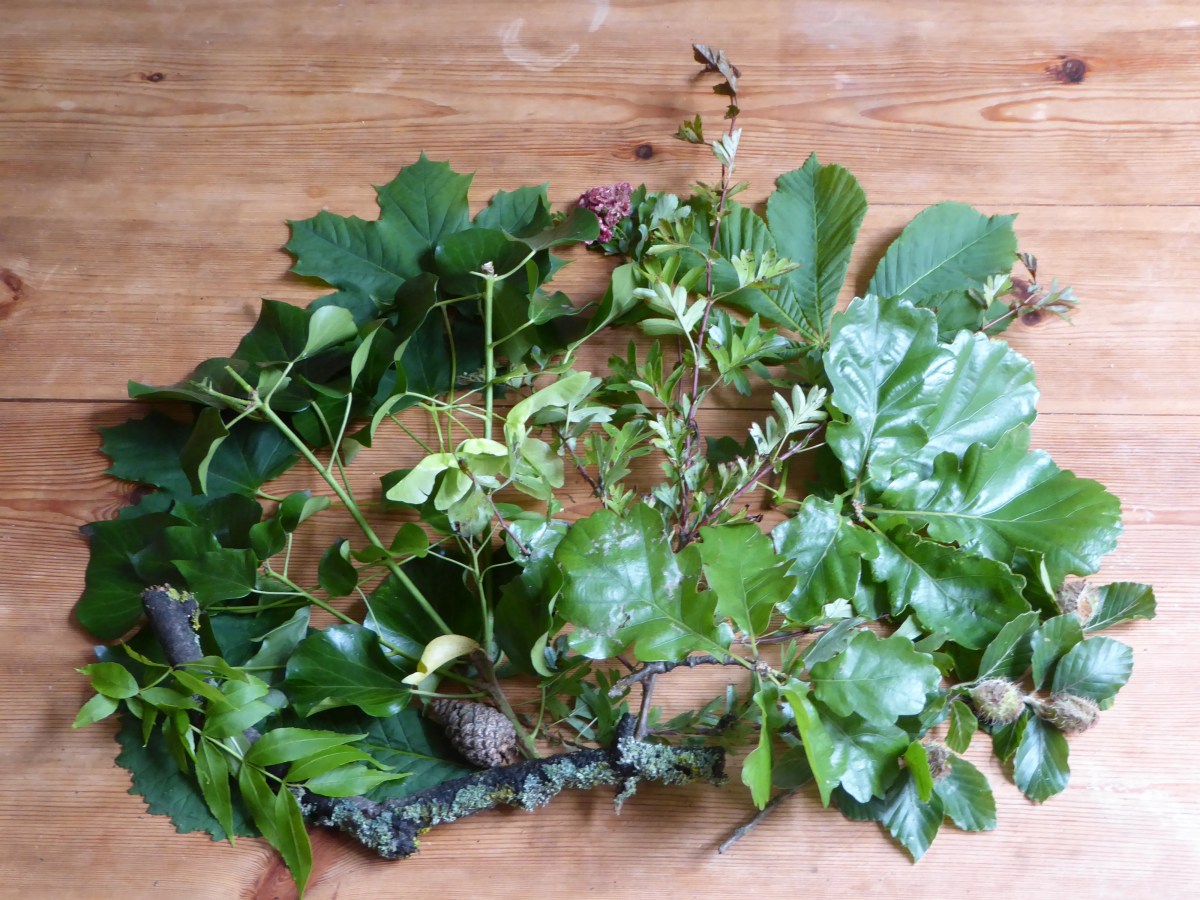
So I gathered examples of leaves and seeds/cones. And when I got home, I made a nature table, in honour of all those wonderful school nature walks as a child in Cornwall. (Most of them were wonderful – there was the time I was the victim of a seagull with a particularly explosive digestive system, but I try not to dwell on that).

P1030460.JPG

I was rather proud of it and quite impressed by the number of trees represented.

Ash: great climbing trees, with good footholds, and those tight black, pointy buds

Beech: such a fast grower, here with mast still attached

Cherry: ornamental

Hawthorn/May: with just a tiny bunch of torn flowers

Horse chestnut: healthy leaves, but so many trees will have the weeping canker later in the year

Ivy: taking advantage of just about every other type of tree to climb and scramble, until its weight eventually brings down the host

Oak: fresh and green – I really should pull them up when squirrel-cached acorns germinate in my garden, but can never quite bring myself to do so

Sycamore: ubiquitous and  one of the few seedlings to be removed without compunction.

Generally speaking, the yews, pines and cedar seemed much less likely to have had twigs ripped off by the wind and rain.

P1030470.JPG

I found one little (Scots pine?)  cone on my first walk and some seeds, plus a piece of twig with really beautiful lichens, which are very common here. And more cones from a second walk – one from a Cedar of Lebanon, I think (warning: all items identified to the best of my ability, but I readily admit to being out of practice, so may be wrong).

P1030475.JPG


All in all, a very good Day 2. But is it too much to hope that it might get a little warmer by the end of the 30 Days?

PS

Of course, following yesterday’s complete absence of common snails, they were everywhere today.


30 Days Wild in the suburbs: Day 1

It is 1st June. The first day of meteorological summer. And it is raining. Not as hard as on 31st May. But quite hard.

So for my first of 30 Days Wild I am going to look at snails. Big snails munching my plants. Small snails crawling out of tiny holes in walls.

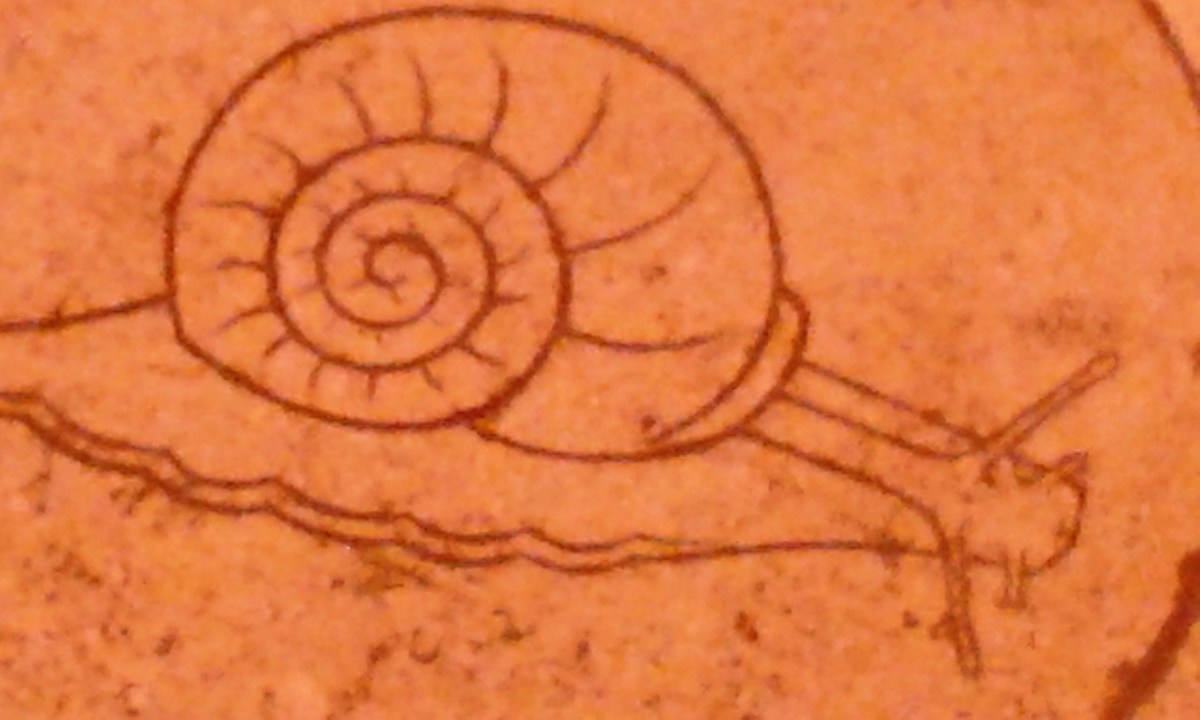
I’m going to cheat a bit (of course) and drop in other snails from elsewhere, such as this lovely example,  found in Rome last year:
20150409_163339 (2)

Snails are very much on my mind, as we have just come back from a week in Cyprus where we found thousands and thousands of white snails gathered in groups at ancient sites in high temperatures. They gathered ornamentally on plants:
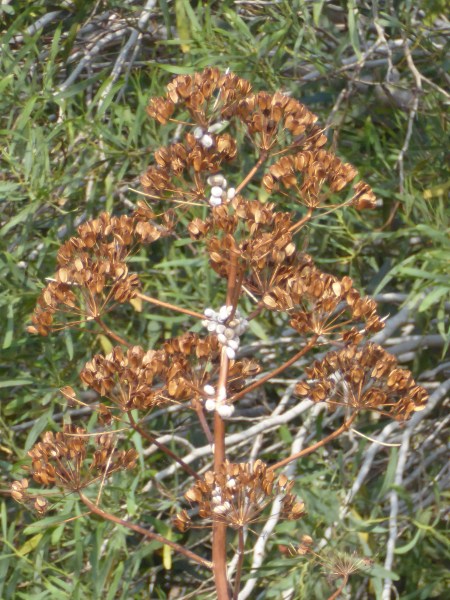
P1030227

They even gathered in swags on signs:
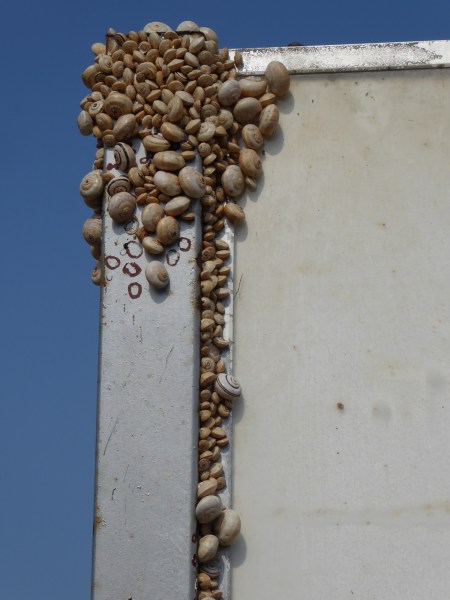
P1030231

So I’m going to be looking for their fellows, and equivalent gatherings in my corner of the suburbs of south east London (tbc).

Which has proved very intriguing! Normally there is no shortage of large, hungry, plant eating snails underfoot, in watering cans, and generally present in my garden. Today: none.

So I resorted to walking around the neighbourhood, eyes scanning the walls and pavements. And eventually found more than the occasional individual in the spot where I should have started my search: the wall by the church where I’ve seen groups before.

(Incidentally, I have also discovered that my trusty Lumix, so wonderful for architectural details and pine cones at the top of tall trees, struggles with small molluscs which are right at my feet).

No big clusters, and no large individuals, but a variety of surprisingly bright colours. And they were all moving around. Whoever coined the phrase ‘snail’s pace’ had obviously not made any allowance for the relationship between size and speed – these little guys were really racing along!

An acid drop yellow seems to be the most common colour – although that might be an illusion, because they are simply so much the easiest to see:

P1030452.JPG

Next were those that looked like little stripy mints:

P1030459.JPG

And there were also some caramel coloured individuals:
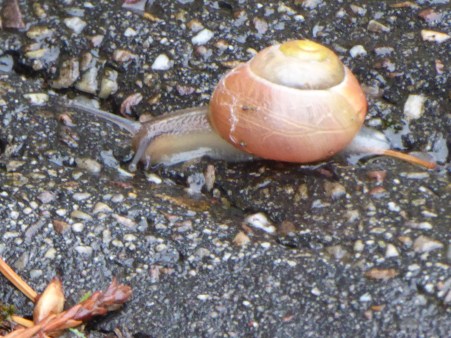
P1030451

(I’m conscious here that I have described all of these tiny snails in terms of sweets – I do not recommend that anyone tries eating them!)

And to give some context – these really are small:
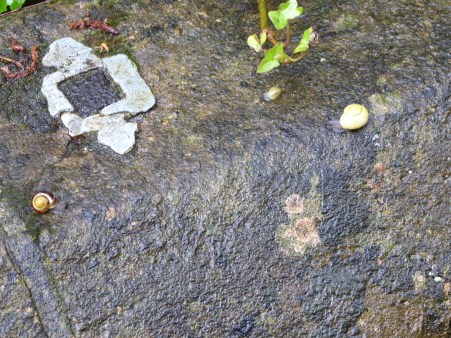
P1030457.JPG

So: suburban snails in England come in all kinds of really attractive colours; they move at some speed; the attrition rate is very high (tiny scrunched shells everywhere) and the little ones are much easier to find when it is very wet than those that are normally only too visible as they eat our prize vegetables.

Now off to think about Day 2!

1 June 2016

Trafford Hall

Trafford Hall: a Grade  2 mansion just outside Chester. Not surprising that I’ve just spent a day there. Its heritage value is obvious. But I was there not in my professional capacity, but as a Director of the National Communities Resource Centre, a charity that equips and inspires individuals from low income communities to help build a better more sustainable future.

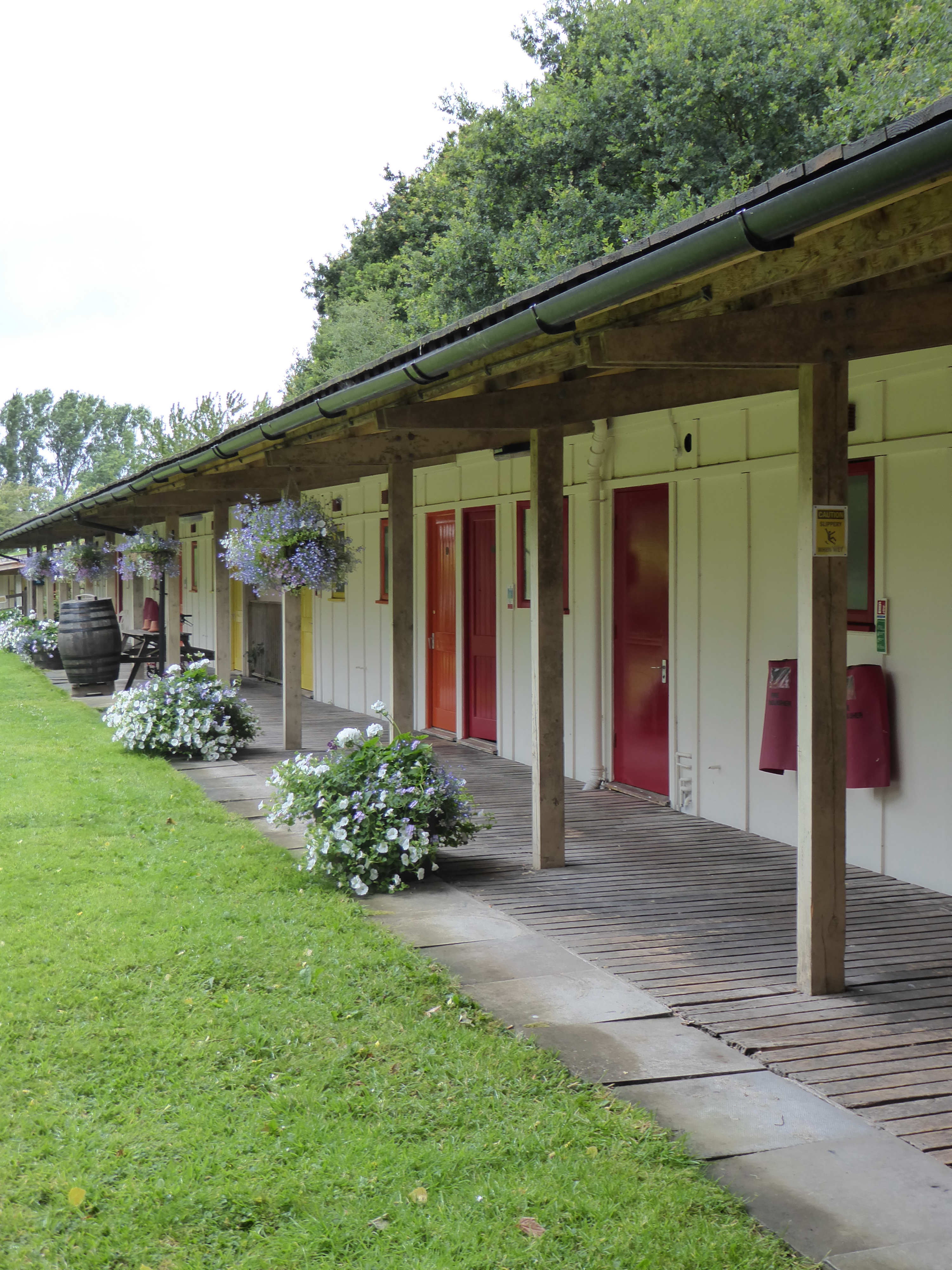
The staff team, many of whom come to Trafford Hall to work, and discover a vocation, are warm, welcoming and really good at what they do. The venue is something special: we sleep in Segal-designed chalets, facing woodland, set around a beautiful garden. We meet in the Hall itself, which houses community courses and the weddings and other events which help sustain the charity’s core purpose.

P1000211

We heard from past delegates from Cornwall, Doncaster, York and Cheshire, from London and Manchester. Individuals whose brief time at Trafford Hall has inspired them to further community, and personal, development.

David’s  group won the Queen’s award for Voluntary Service. The Chairperson of the Penwerris tenants’ group in Falmouth now has a county-wide role in Cornwall. Zena from York has helped tenants of the Joseph Rowntree Housing Trust find their voice through the positive scrutiny process. And Bruce from Doncaster is taking his message out to other communities, helping them tackle food poverty and turn ‘inspiration into aspiration’.

We heard from young people who had attended a course funded by the builder Wilmott Dixon. Emily is now an apprentice carpenter. Jon is about to begin a PTLLS course to work with adult learners, having been inspired by the trainers on his own course, and Tom has been offered interviews for a range of jobs after two years of unemployment.

What all these individuals have in common is a commitment to making things happen, for their communities and for themselves. Trafford Hall helped them find their own way of moving forward.

They all faced, and still face, challenges in achieving their goals – who doesn’t – but they are proof that, with the right support, it is possible to make a difference.

This is really important, life-changing work. More information on Trafford Hall can be found here: http://www.traffordhall.com/ . As a charity, we rely on support from a wide range of individuals and organisations, as well as from the great work of Emyr and his events team. If you are interested in supporting us, please don’t be shy: get in touch with our Chief Executive, Sally, at the Hall. You won’t regret it!

P1000210

The triumphantly hopeful gardener: part 1 – trees

I am a terrible gardener, for many, many reasons, not least that I hate digging up healthy plants. So again and again I allow a few fast-growers to take over. This is particularly unfortunate with trees, as we live in a conservation area, and once they reach a certain size, I am not allowed to remove them. Reprieving that beech seedling was a terrible mistake – half the garden is now in deepest shade. And the oaks were probably not too sensible either. Add in the sycamores growing down from the railway embankment and it won’t be long until my long cherished, never achieved, idyllic image of a fantasy wooded garden will have to come to terms with the reality of an inappropriately sited small patch of proper, honest-to-goodness woodland. I wonder which will be the first to succumb – the garage? the tool shed? the house itself? Such foolishness – I must get out there and do something about it.

But there is a wren in the yew tree, and blue tits and long-tailed tits play tag across several gardens. I’ve seen a tawny owl sitting in the tallest trees on the embankment and parakeets pause there occasionally to rest. Robins appear when I do anything at all to turn over the leaves and there are blackbirds as well as the inevitable magpies and pigeons.

The squirrels may dig up my bulbs and drive the dog wild, but they are also planting future trees. And the fox cubs chase one another behind the fence – almost always just out of sight. The frogs would probably be happy whatever the pond’s surroundings, but spend a lot of time on the edge of the water, hiding in the deep shade under the leaves.

So what to do? Cut back, order and plant brightly coloured bedding? Or give in gracefully to the patchwork of green?

I think I’d better take a book outside and think about it for a while….