30 Days Wild in the suburbs: Day 17

Hot, grey and occasionally rainy today. Perfect conditions for insects, which were everywhere on our walk, in great variety as well as numbers. Unfortunately, the dog finds patience very hard, and so you’ll have to take my word for it, as there is no photographic evidence.

The insects did, however, attract the birds. Swooping over yellow fields:

P1030730.JPG

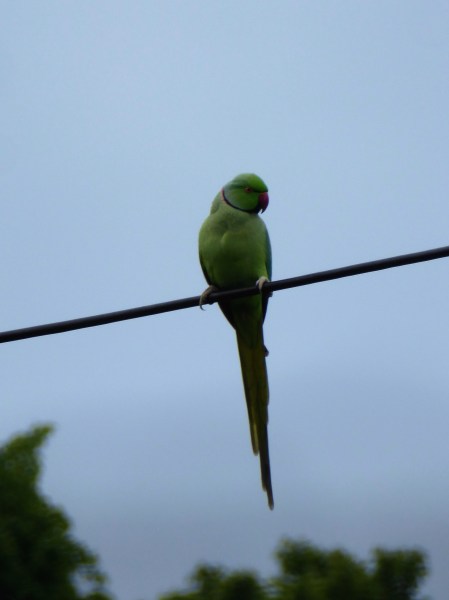
or waiting on a wire:

P1030733

P1030738 (2)

The parakeets are impossible to ignore now, mainly because of the noise they make.

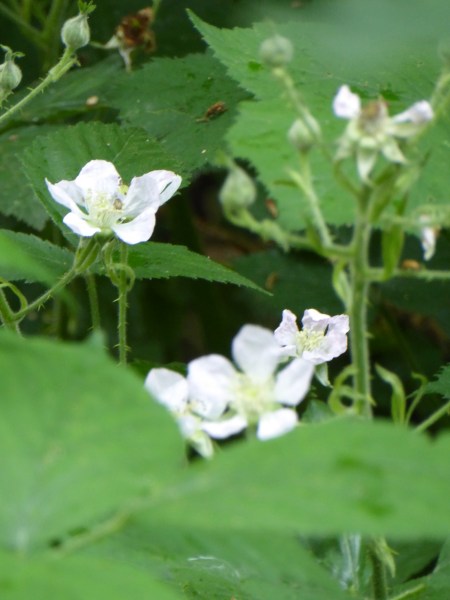
The paths are well used but still almost overgrown in places as the warm, wet weather has led to another growth surge.  The bramble flowers are now out wherever the sun reaches them
P1030745.JPG

and the yellow irises are showing bright in the pond

P1030741.JPG

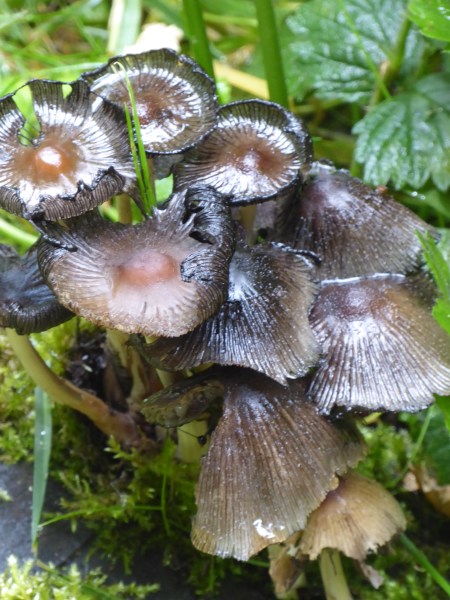
But the very damp atmosphere is also good for fungi
P1030744.JPG

I love being out with the dog – and when the weather isn’t great, she is often the reason I make the effort to go. I am always extremely careful to clear up after her. I am, however, really disappointed by how many people do not think that’s necessary as soon as they move off the roads and pavements. The paths through our local wild spaces are well used by walkers, runners and cyclists. No-one should have to clean shoes and bike wheels because others haven’t bothered to clear up after their dogs. At the risk of sounding melodramatic, such carelessness shows a real lack of respect for others who use the same paths.

30 Days Wild in the suburbs: Day 16

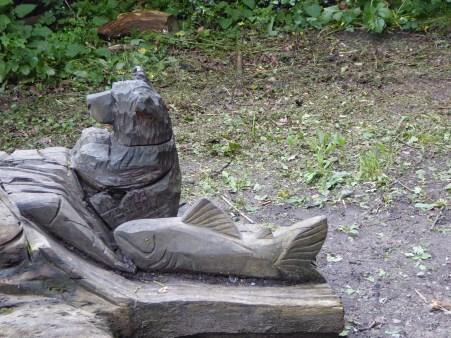
There are bears in our woods!P1030722.JPG

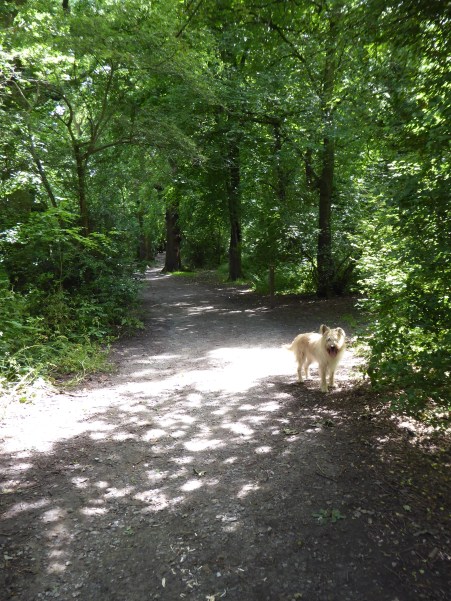
Overcast and a little grey today. An early, short walk with the dog and then a longer walk along the path by the golf course and through the woods by the recreation ground.

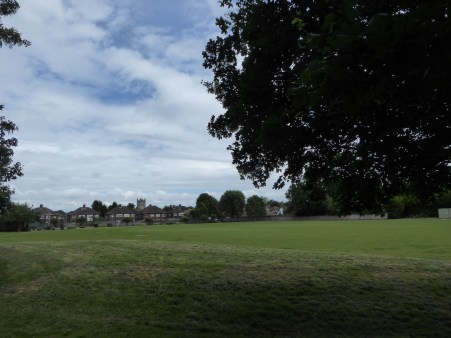
The ground itself might seem too plain and well kept to be a real wildlife haven

P1030726.JPG

but it is a place for fresh air,  where dogs are walked and games played by adults and children alike. There is a wonderful, safe, enclosed children’s playground, a tennis club, a Scout hut. There are bins for litter and dog poo – and they are used. A school boundary runs along one side of the park, and in one corner lies this path through the woods:

P1030724.JPG

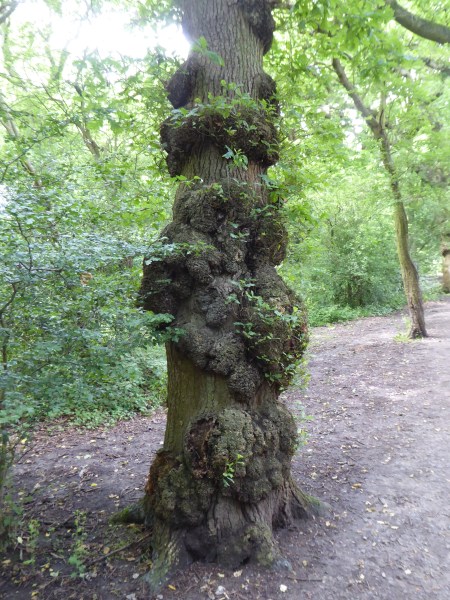
A path that runs past knobbly trees

P1030725.JPG

and, of course, the bears

P1030723.JPG

What a joy to have such green space on our doorstep.

PS: I’m often asked why there are so few people in my photographs. Sometimes it is straightforward: I want to illustrate a building or tree or flower, and am looking for a clear shot. But more often, when there are crowds of people around, it is because of an awkwardness about photographing people I don’t know without their consent, particularly if there are likely to be children in the picture. Is this unnecessarily cautious? I don’t know, but I do admire those photographers who have found a way of capturing the atmosphere of crowded places. What do you think?


30 Days Wild in the suburbs: Day 15

Well, after a wonderful time by the sea yesterday there wasn’t too much wildness in my life today. But I did try to take full advantage of what there was.

Starting with another train into central London,I think I spotted a young jay at the station.

Much of the rest of the day was spent rushing to and from meetings with very little sight of anything green. I decided to walk to an evening event, rather than get back on the Tube – but the most direct route was straight down Oxford Street. I haven’t done that walk for a while and my goodness it is depressing. There are occasional trees, but there is an overwhelming amount of redevelopment – and, of course, Crossrail preparations – which seems to be reinforcing the hard surfaced,unnatural environment.

Before heading into the event – and, in all honesty, entirely because of my 30 Days Wild commitment – I went in search of greenery. And found Grosvenor Square. Not exactly wild. But a pleasant green space  full of dog walkers and families. Children raced and played and shouted and laughed. People talked to one another. And there was birdsong.

So not wild, but another reminder, if any were needed of why Parks Matter.

30 Days Wild in the suburbs – and by the sea: Day 14

Off to the seaside. Much of the day spent with builders, but, despite the grey skies, there was still time to get out and breathe – and my Wild Days are back on track.

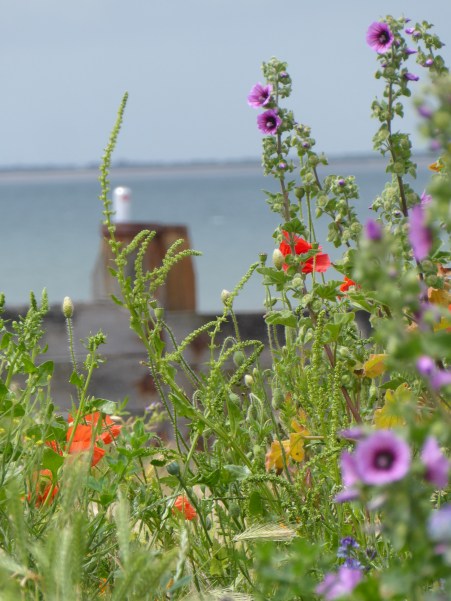
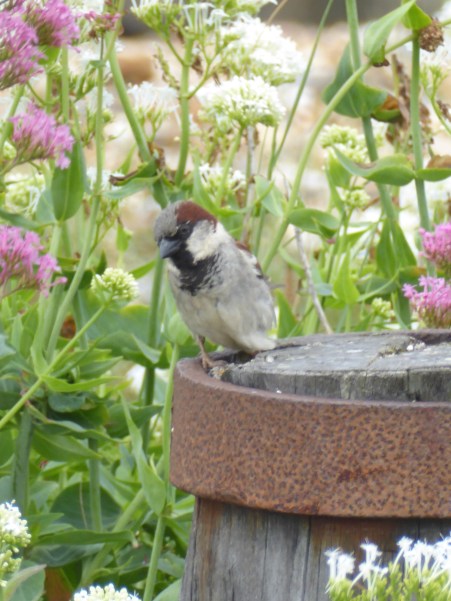
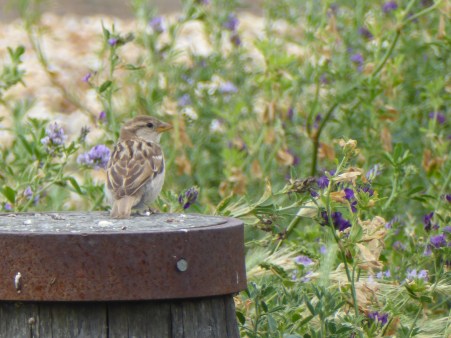
It’s hard to explain just how happy walking by the sea makes me. At this time of year the area just above the high tide line is an absolute delight. There are reds, pinks, blues, white and yellows. The variation in flower colour between individual plants of the same species is astonishing. The sculptural shapes and colour combinations of some of the plants which grow right on the pebbles are endlessly fascinating. And that’s just the plants: the bushes are full of colonies of noisy, insistent sparrows. And today, as well as the usual bees and hover flies, there was a tiny blue butterfly battling the wind. I spent a happy 10 minutes completely failing to photograph it and  felt in no way defeated as I wandered on.

I love gardens, and gardening, but for me there is nothing that quite compares to the natural wilderness of the beach. See if you agree:

P1030691

P1030684

P1030704.JPG

P1030694

P1030696

P1030713

And if you prefer birds, I offer sparrows:

P1030706

P1030715


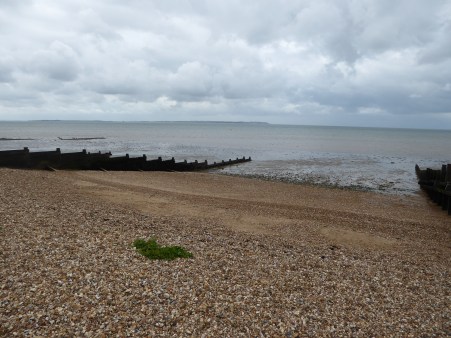
Open spaces more your thing? Views from the beach:

P1030698.JPG

P1030702.JPG

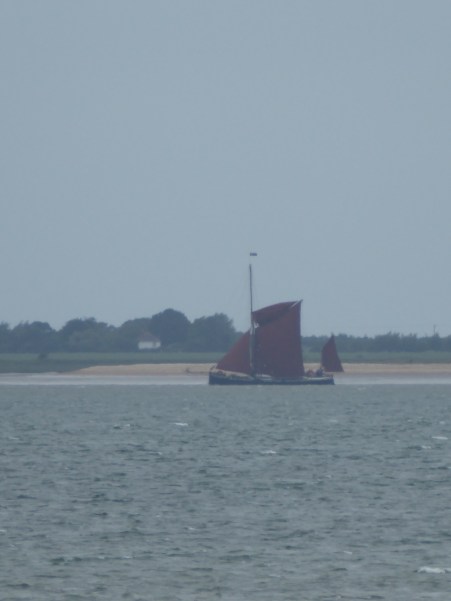
(that was quite a long way off, but I do love a barge!).

I have never actually lived by the sea, despite growing up in Cornwall, but over the past 20 years I have come to rely more and more on a seaside fix to make sense of overfull days and overcommitted weeks.  Wherever I’m based, I know that I need a couple of hours by the sea at least once a month if I am going to function as well as possible.

Note to self: put that time in  the diary now!


30 Days Wild in the suburbs – and beyond: Day 13

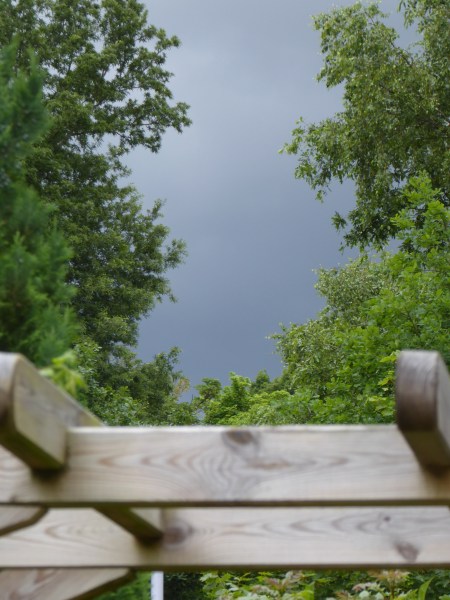
The sky was not encouraging as I set off for meetings this morning:

P1030666.JPG

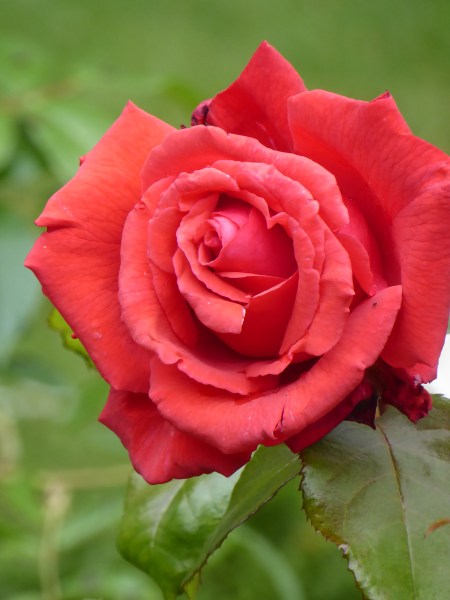
In a way this image captured my feelings about my personal blog challenge. I started to fret about what I was going to write, and to wonder when I was going to fit in time to look and listen properly to the natural world around me. I grabbed a quick image of a rose at the station to give me something to fall back on….and then realised that I had had come very close to completely missing the point!

P1030667.JPG

Some days it is simply easier than others to take time to breathe and appreciate our surroundings. That’s just life. If today is too busy, well so be it. It’s only a problem if EVERY day is too busy.

So after my meetings, I headed to Guildford and the Watts Gallery in Compton.  It’s a place I love, and one which makes best use of a really lovely setting.

P1030674.JPG

I may not have consciously focussed on Compton as today’s place to engage with nature, but once there it was very obvious. The artist in residence, Andrew Kearney, describes his year’s work at the Gallery as a journey that was ‘an opportunity to reflect on the natural environment and on those elements outside human control that we tend to overlook in our everyday routines.’

His work is on show indoors and out and responds to the environment he found.

So actually a perfect contribution to my 30 Day, which sent me back to the gardens for the shapes and colours of late evening:

P1030676.JPG

P1030677

P1030678

P1030682

30 Days Wild in the suburbs: Day 12

Today is wild gardening day. Wild in the sense that it is pouring with rain and looks likely to do so for much, if not all, of the day. Having been soaked through once, I am taking a break to dry off and warm up. But I have already discovered that there are many advantages to such gardening – and not just that the weeds show much less resistance!

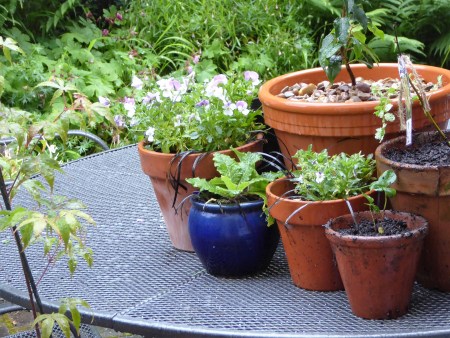
I have been potting things up ready to move in the autumn.

P1030655 (2).JPG

The cherry tree was a gift from colleagues when I left the Heritage Lottery Fund and will travel with me – in increasingly large pots – wherever I go. The little  rowan tree – which needs a small stake – is part of a Woodland Trust promotion marking the Queen’s 90th birthday. We have had at least one acer wherever we have lived. The pots of violas, primulas and ophiopogons  were a happy combination that came about when I was splitting and moving seedlings. And the hellebore seedling is one of a number that I will watch with interest as it grows: every one is different (tbc)

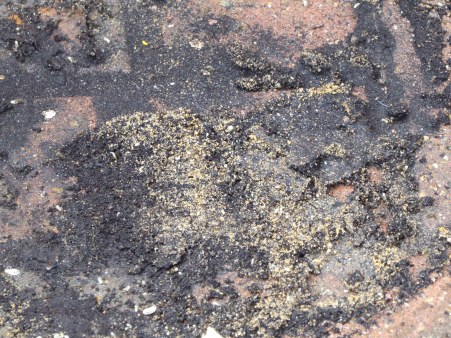
Back for another session between inundations. The smells of the garden are much stronger after the rain: not just the roses and lavender, but the pelargonium leaves as I brush against them. I am causing all kinds of chaos by moving pots, pulling up weeds and sweeping. The ants were particularly cross when I repositioned one of the biggest pots:

P1030659.JPG

They had excavated the sand from between the bricks and rushed to move eggs back underground when they found them exposed.

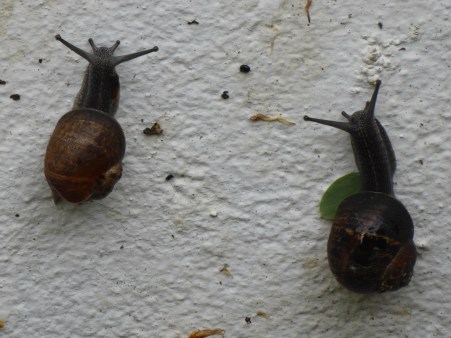
The snails moved at speed to find a kinder spot when I pulled up the weeds by their wall:

P1030662.JPG

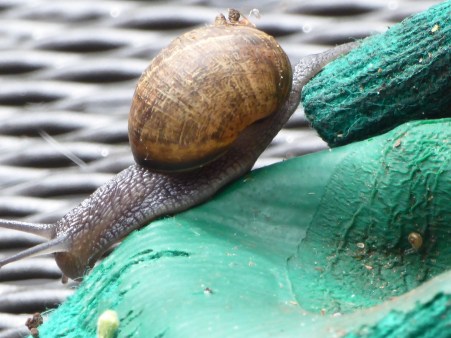
One decided to show me who would be the eventual winner of this contest by crawling rather deliberately over my gardening gloves:

P1030658.JPG

But despite the weather, I have filled three sacks of weeds and trimmings, potted on seedlings from the borders, and dead-headed the roses. Even the buttercup pulls up without too much of a fight when the ground is as wet as it is at the moment.

But I have a confession. I am finding it hard to feel charitable towards bindweed. It must surely have some purpose beyond strangling my roses, mustn’t it? Does anyone want to make the case for its benefits to the environment?

30 Days Wild in the suburbs – and beyond: Day 11

Definitely a fail this time, I’m afraid – I have missed Day 11 by nearly 30 minutes!

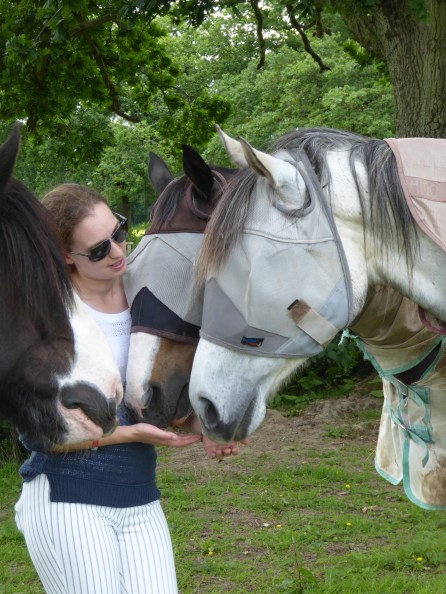
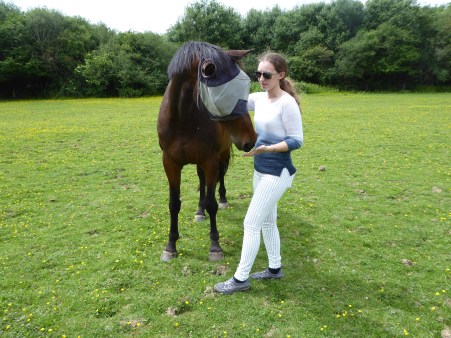
Completely different territory covered too, as I was helping my daughter look for somewhere to live, and visiting a livery yard where the horses enjoy a wonderfully quiet and stress free life.

Horses do not really count as ‘wild’ in these circumstances, but as they are extremely photogenic, they get a place here anyway:

P1030645.JPG

P1030642.JPG

The fly masks are essential at this time of year, and often a body sheet too, as the flies, which are definitely wild, drive the horses crazy otherwise.

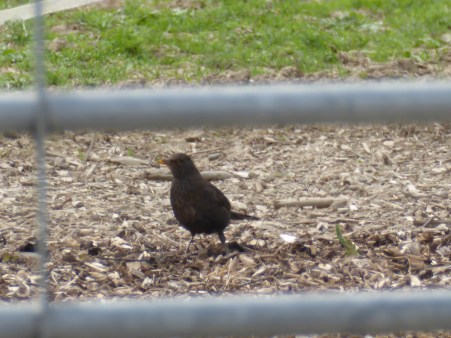
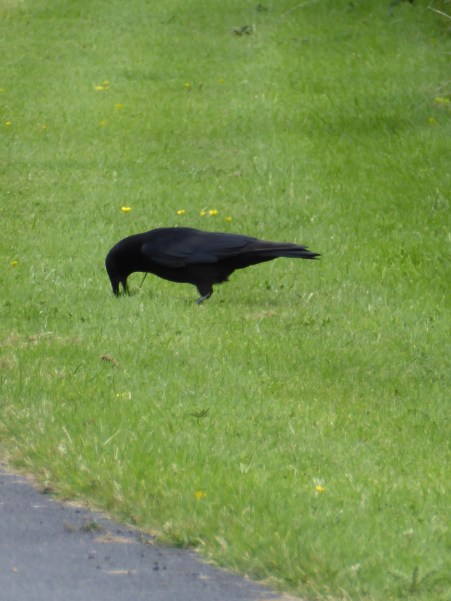
So what did I find that was really wild today? Birds, obviously: blackbird and crow looking for food:

P1030654P1030650

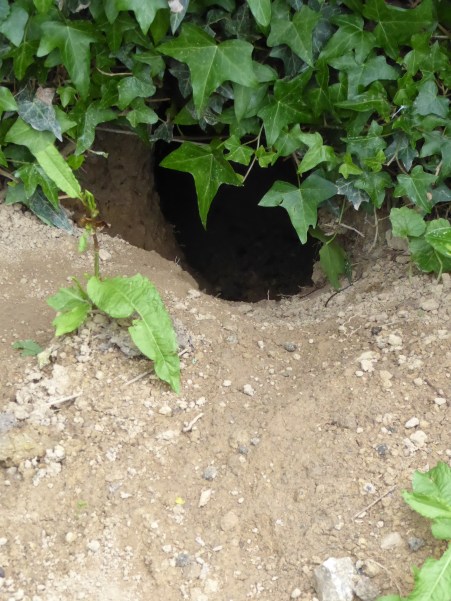
And then the creator of the pretty impressive burrows that are very common around the yard:

P1030647

One of the very many to be seen:

P1030652

Will do better tomorrow – or make that today!

30 Days Wild in the suburbs: Day 10

I thought today might be the day that defeated me, for the very best of reasons. I was honoured to be invited, along with my husband, to the service of thanksgiving in St Paul’s Cathedral to mark Her Majesty the Queen’s 90th birthday, and then to a lunch at the Guildhall. We left home at the tail end of the morning rush hour and got back late in the afternoon.

I had almost reconciled myself to a post about the support the Royal family has given to environmental projects over the years. But that really would have been cheating.

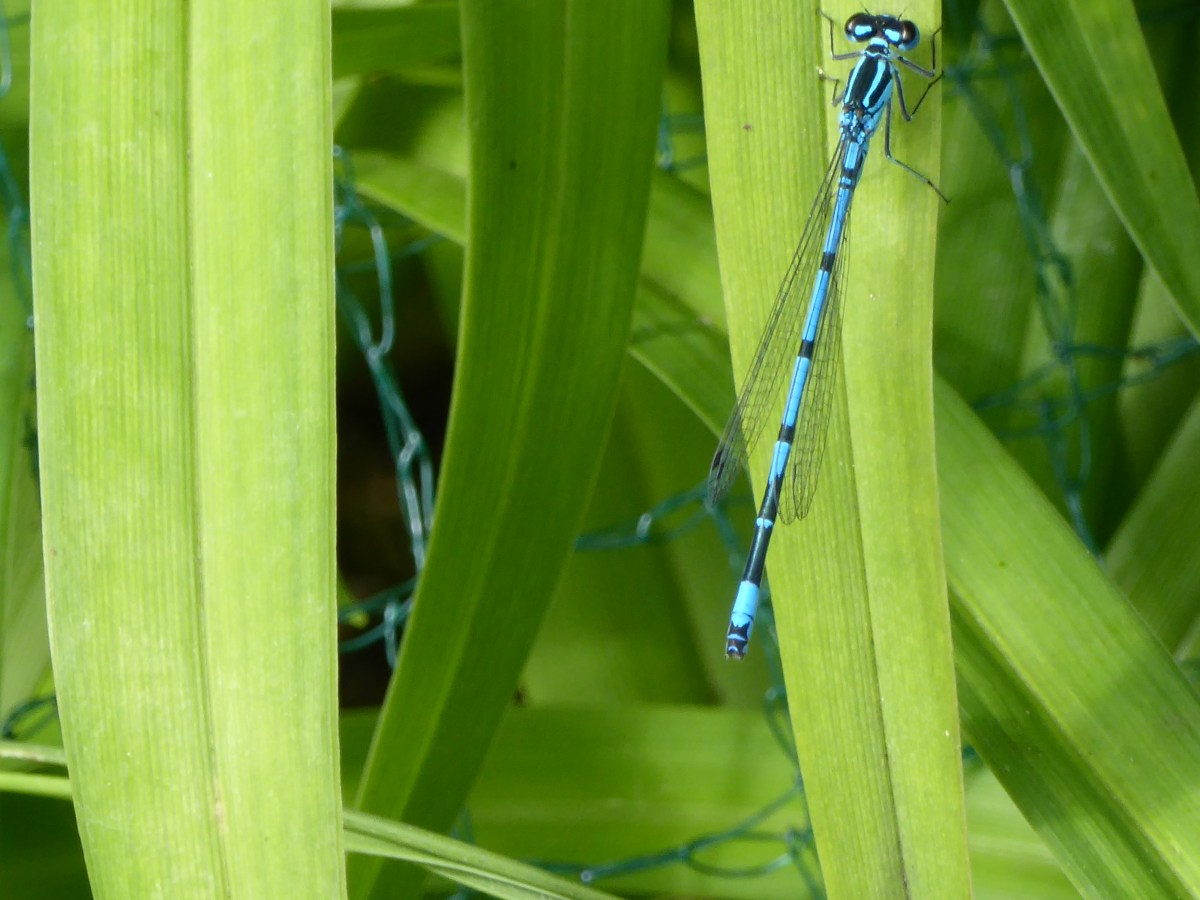
I need not have worried. Getting off the train on the way home, I paused by the second pond at the station. A young crow was digging around for whatever it could find in the rocks at the back. But flying low over the pond were at least two of these:

P1030634.JPG

and five of these:

P1030636.JPG


Aren’t they just wonderful? And just think how many  people would get a regular splash of wildness in their lives if more stations did their best to give nature a home.


30 Days Wild in the suburbs: Day 9 – Part 2

So, having gone beyond the suburbs this morning, I came back to a long wander around our area and a little more time in the garden.

The first point of reference once more was the stream on the way to the station. When I went past this morning, at a rush, no time for a photo, the female mallard was sitting in the same spot as yesterday, wings held slightly drooped, clearly with young underneath them, so I set off happily. But when I got back there was no sign of her. As we have a thriving population of urban foxes, which are very partial to duck and duckling, I thought the worst. However, learning from past experience, I went to the other side of the stream and could just about see, if I crouched down and squinted, this little lot:

P1030629.JPG

The camera gave me a slightly better view, and I think there are 7 or 8.

P1030630.JPG

Tomorrow’s challenge is to actually manage a shot of these little ones which is in focus. Which brings me to the second question I’ve been mulling over today: what are pictures for?

These past 9 days, when I have been consciously trying to take pictures to illustrate the blog, have proven beyond doubt what I already really knew, that wildlife photographers require immense technical skill with their cameras and related equipment, detailed knowledge of the wildlife they are trying to photograph, and boundless patience. A good dose of luck also seems to help.

As I have none of these skills or attributes, apart from, occasionally, luck, is it worth even trying to take my own pictures, or should I use stock images from free access sites? There is no doubt that they would be technically better.

But the answer to that question seems to come down to why the pictures are in the blog in the first place. I want you to have an impression of what I have seen seeing and a glimpse of how it has made me feel. I’m not trying to teach anyone anything, but to share my experience. However rough these pictures, they remind me of a moment which gave me a great rush of pleasure. And, on that basis, I think they add something, even when, as here, they are technically awful.

But I will still try again tomorrow – just in case it’s my lucky day!


30 Days Wild in the suburbs – and beyond: Day 9 -Part 1

Well this is a first: today’s blog is going to have to come in two parts as I’m struggling to contain the things I want to say – and ask – about what I’ve concluded from the first week of really going out to look at the natural world around me.

So I’m going to start with ‘beyond’ the suburbs, but by going into the city, not out of it. P1030598.JPGThis morning I was meeting a friend for coffee in central London and decided to spend some time in St James’s Park with the tourists and joggers and lovers and readers and small children and short-cut-takers. Entering from Birdcage Walk, the first thing to strike me was how many areas have been left uncut. This might not be the view you’d expect, lying on the grass in a Royal Park, but it is delightfully common.
And the trees have the quiet dignity of age and stability (I’m working on that myself):

P1030602.JPG

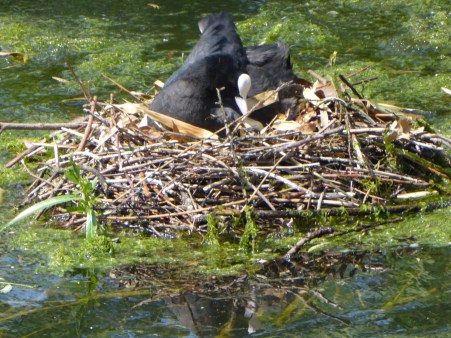
Whilst the park is full of nest building and new life, some of the latter scoring more highly in the ‘cute’ stakes than others:

P1030617.JPG

P1030613.JPG

P1030609.JPG

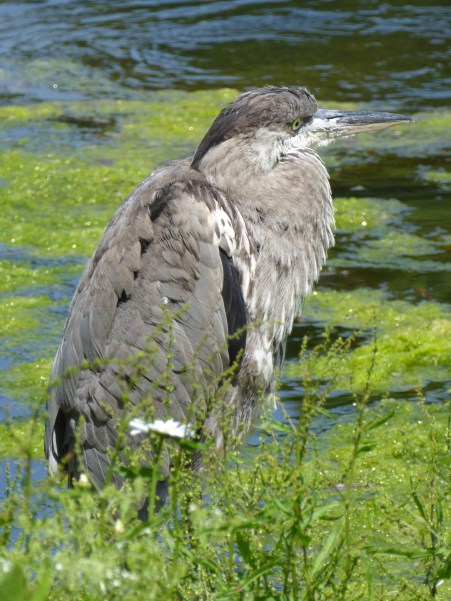
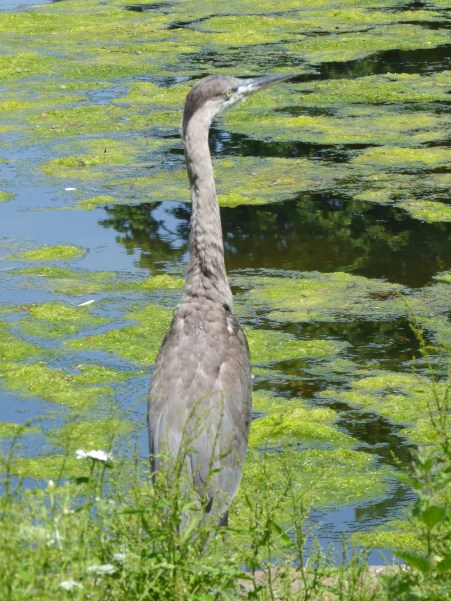
A heron demonstrated the importance of proper deportment (I need to work on that too):

P1030612.JPG

P1030615.JPG

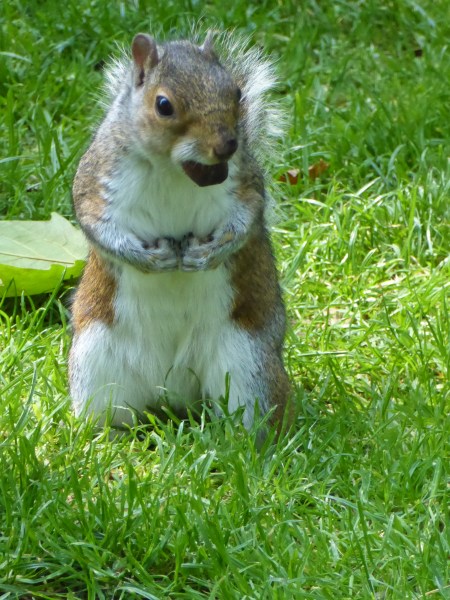
And then there were the squirrels. Now, this is my first real challenge. how ‘wild’ does ‘wild’ have to be? Many of the squirrels in the central London parks will take nuts from the hands of visitors. They do not run when parents arrange children alongside them for photographs. They ‘pose’ on the backs of park benches. They are by no means as ‘wild’ as the squirrels I encounter on my suburban woodland walks, which chitter at me from the trees as I pass by. Yet is their behaviour really so different?

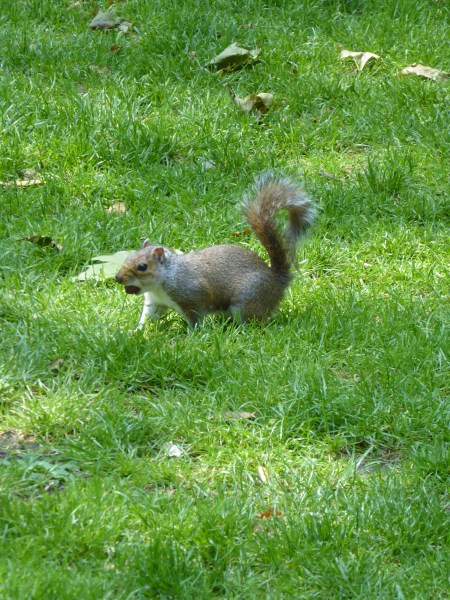
This one, with a large nut of some kind in its mouth, was looking for  a place to bury it. It saw me, and stopped to look.

P1030605.JPG

Then bounded over the grass with much the same movement as a stoat or weasel carrying its young from burrow to burrow (thank you, Springwatch).

P1030604

And solemnly buried its prize in a patch of grass and went on its way.

P1030607.JPG

So that behaviour is surely more wild than not. And, as a way of introducing children to nature, absolutely captivating.

In the same way, it is not ‘natural’ for a range of water fowl to live together in the middle of a city, pelicans and all, lying happily a few inches from the feet of hundreds of camera-wielding passers-by. But it gives many of those visitors a chance to see the birds at close quarters and appreciate their colours and variety, in a way that is rarely possible elsewhere. And they are clearly not ‘tamed’ or ‘domesticated’. Are they?

So are they wild enough for my 30 Days? I think so – don’t you?